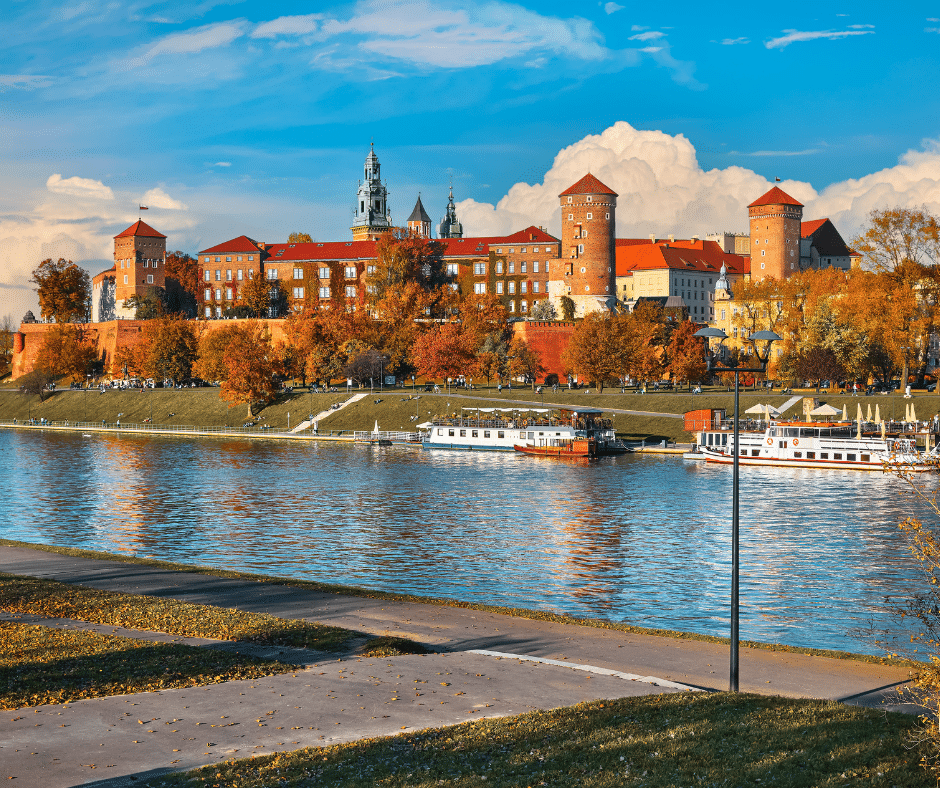
Poland’s Weather Isn’t Uniform
One detail most travel guides overlook: Poland is geographically varied, and different regions behave very differently by season.
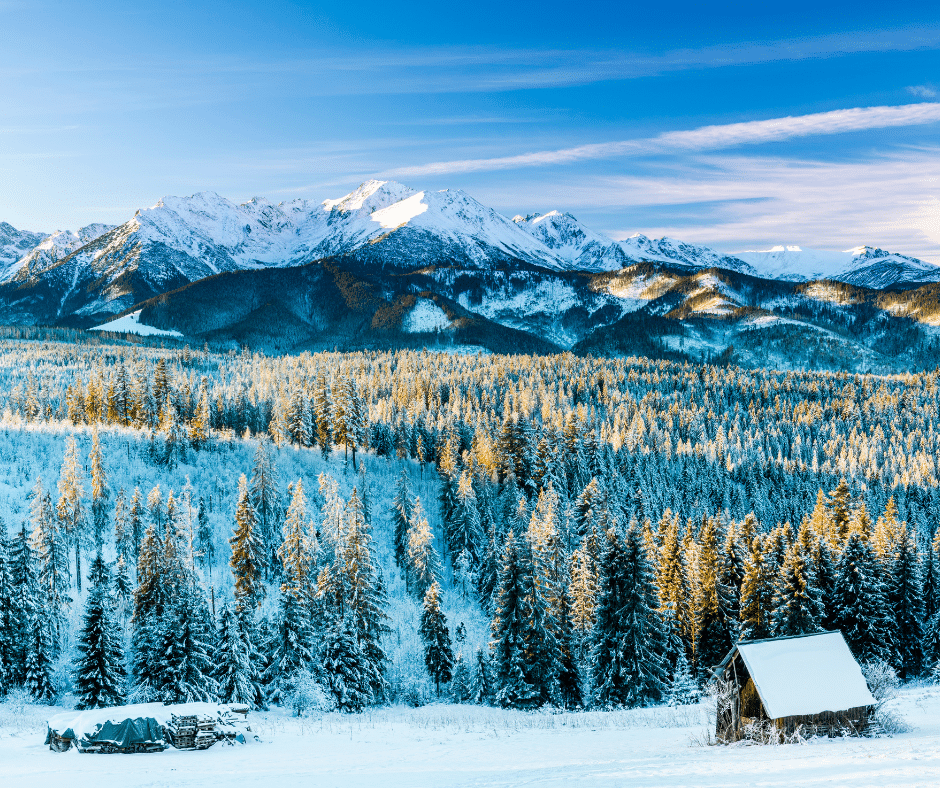
The Tatra Mountains (south): Colder, snowier, and prone to afternoon storms in summer. The Tatras receive heavy snowfall from November through April, making them Poland’s main ski destination in winter and a hiking paradise from June to September. Altitude matters here—even in July, summit temperatures can drop below 5°C.
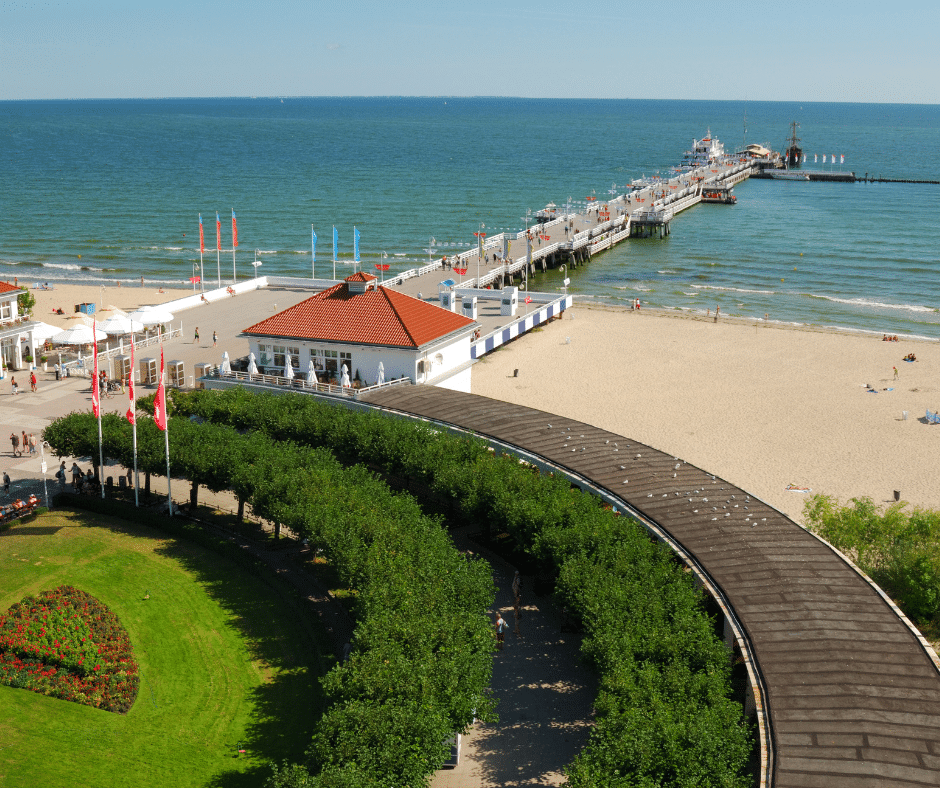
The Baltic Coast (north): Windier and milder than inland. Winters are cold but rarely as brutal as Warsaw or Kraków. The short beach season runs July–August, when water temperatures reach a swimmable 18–20°C. Outside those months, coastal cities like Gdańsk and Sopot are atmospheric but not beach destinations.
Central Poland (Warsaw, Łódź): Continental climate with hot summers and cold winters. Expect wide temperature swings between seasons— as warm as 30°C in July, as cold as -10°C in January.
Southern Poland (Kraków, Wrocław): Slightly warmer and more sheltered than the north. Generally the most pleasant year-round for city travel, with shorter winters and a longer comfortable season.
Poland Weather by Month: Temperature, Rainfall & Daylight
Use this table to compare months at a glance. All temperatures are averages for central Poland (Warsaw/Kraków). Mountain and coastal regions will vary.
| Month | Avg Temp | Avg Temp (°F) | Crowds | Rainfall | Daylight | Best For |
|---|---|---|---|---|---|---|
| January | -2 / -7°C | 28 / 19°F | Low | 35mm | 8 hrs | Budget, markets |
| February | -1 / -6°C | 30 / 21°F | Low | 30mm | 9 hrs | Budget, quiet |
| March | 5 / -1°C | 41 / 30°F | Low | 35mm | 11 hrs | Early sightseeing |
| April | 12 / 4°C | 54 / 39°F | Low | 38mm | 13 hrs | City walks |
| May | 19 / 9°C | 66 / 48°F | Med | 52mm | 15 hrs | ★ Best overall |
| June | 22 / 13°C | 72 / 55°F | High | 65mm | 16 hrs | ★ Best overall |
| July | 24 / 15°C | 75 / 59°F | Peak | 80mm | 15 hrs | Coast & mountains |
| August | 24 / 14°C | 75 / 57°F | Peak | 74mm | 14 hrs | Festivals |
| September | 19 / 10°C | 66 / 50°F | Med | 50mm | 12 hrs | ★ Best overall |
| October | 12 / 5°C | 54 / 41°F | Low | 42mm | 10 hrs | Autumn colours |
| November | 5 / 1°C | 41 / 34°F | Low | 38mm | 8 hrs | Markets begin |
| December | 0 / -4°C | 32 / 25°F | Low | 35mm | 7 hrs | Christmas markets |

Visiting Poland in Spring: Weather, Events, & What to Pack
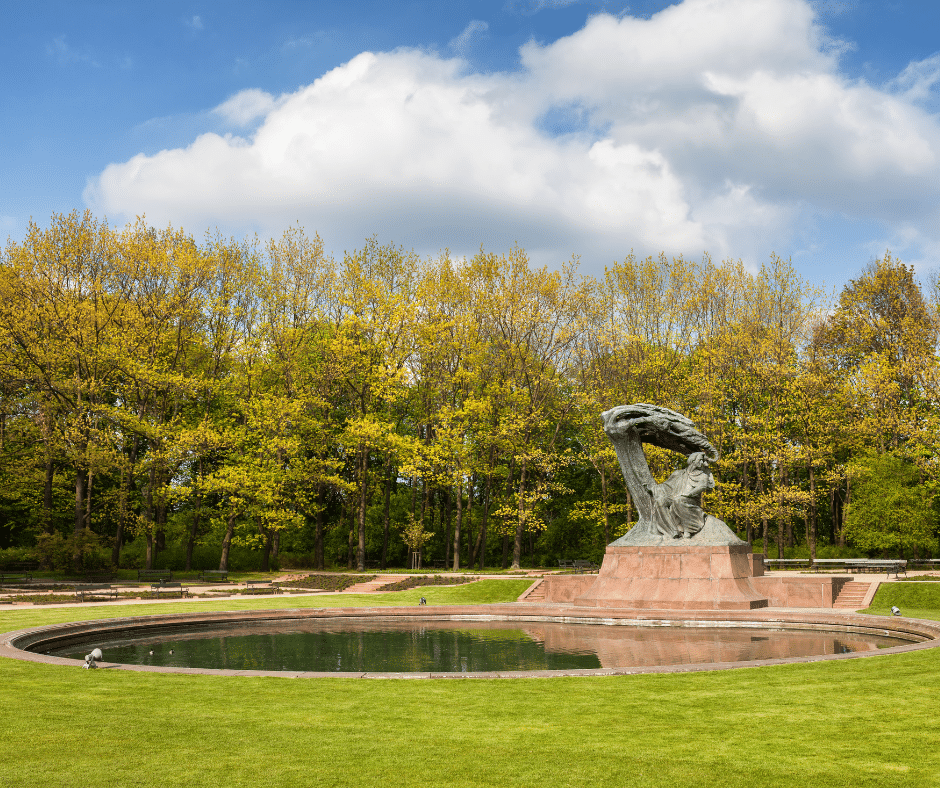
April in Poland
April is a transitional month—pleasant in the second half, unpredictable in the first. Early April still carries winter’s edge, particularly in the north and in mountain valleys. Temperatures average 8–12°C, and rainfall is light but regular.
The Tatra Mountains are often still snow-covered in early April, which creates a beautiful contrast with the green valleys below—but hiking above 1,500m is not recommended without proper equipment. By late April, cities like Kraków and Wrocław begin to feel genuinely spring-like, with outdoor cafés opening and walking tours becoming far more comfortable.
May in Poland
May is one of the best times to visit Poland, and increasingly the preference of experienced travellers who’ve been in the summer crowds and know better. Temperatures reach a comfortable 17–19°C, daylight extends past 8pm, and tourist numbers are still manageable. City squares feel local rather than overrun.
It’s also cultural season. Museum exhibitions are in full swing, outdoor festivals begin, and the countryside around Kraków and Wrocław is lush without the summer heat. For first-time visitors to Poland who want to walk extensively and get genuinely good photos without crowds, late May is the sweet spot.
What to pack for spring: Layers are essential. A light waterproof jacket, comfortable walking shoes, and a mid-layer for cooler evenings. Temperatures can swing 10°C between midday and nightfall, especially in April.
Visiting Poland in Summer: Festivals, Heat, & Peak Season Planning
June in Poland
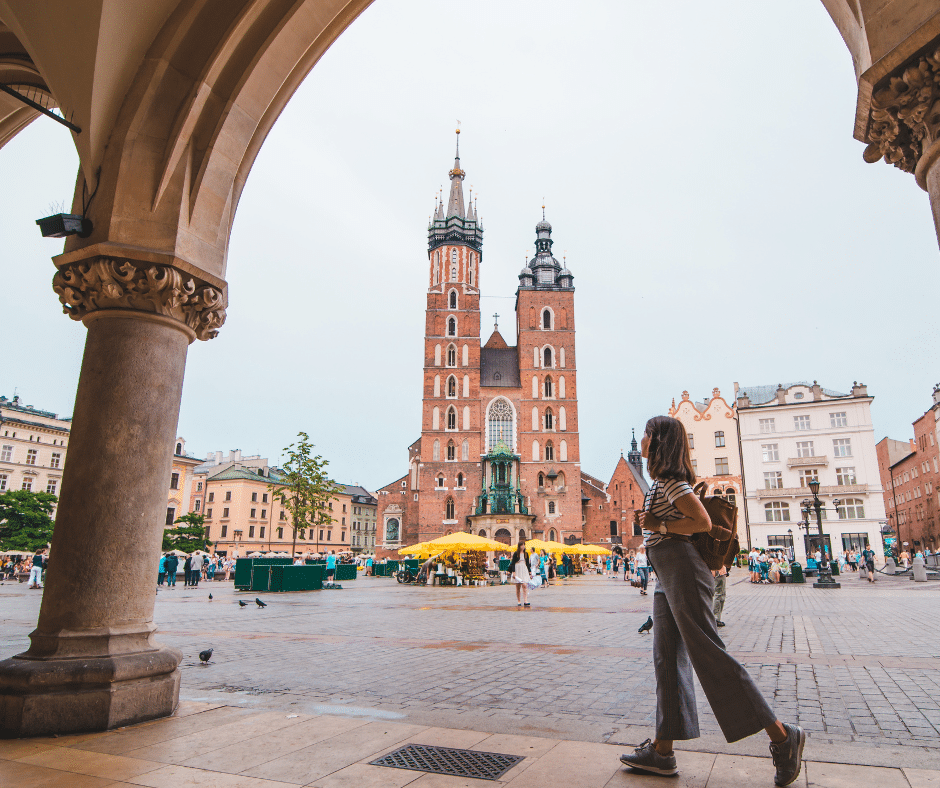
June may be the finest single month to visit Poland. Temperatures are warm (20–22°C) without reaching the heat of July. Daylight runs until nearly 9:30pm—an absurd luxury that transforms Polish cities into extended outdoor rooms. Kraków’s Rynek Główny, Warsaw’s Old Town, and Wrocław’s Market Square are at their most alive.
Crowds are present but not overwhelming. Hotel rates are high-season but not at peak. It’s the best balance the calendar offers.
July in Poland
August continues summer in full force. Temperatures match July, crowds remain at peak, and popular destinations—particularly Kraków and Zakopane—are at their busiest. Book accommodation well in advance if you’re travelling in August.
The advantage: Poland’s festival calendar is in full swing. The St. Dominic’s Fair (Jarmark Św. Dominika) in Gdańsk—one of Europe’s oldest and largest outdoor fairs, running since 1260—takes over the city’s historic streets for three weeks in late July through August. It’s a genuine spectacle worth planning around.
What to pack for summer: Light clothing, sunscreen, a foldable umbrella (for afternoon showers), comfortable walking shoes, and a light layer for air-conditioned interiors. Poland’s restaurants and museums are aggressively air-conditioned.
Visiting Poland in Autumn: Why the Shoulder Season Is Worth It
September in Poland
September is the quiet favourite of travellers who’ve done their research. Temperatures remain warm (17–19°C), summer crowds have cleared, and the city squares—especially in Kraków and Wrocław—settle back into their natural rhythm. Hotel prices drop noticeably from August levels while conditions remain excellent.
It’s the best single month for slower travel: leisurely museum visits, long lunches, and evening walks without fighting through tour groups. Photographers in particular find September’s softer light and uncrowded streets irresistible.
October in Poland
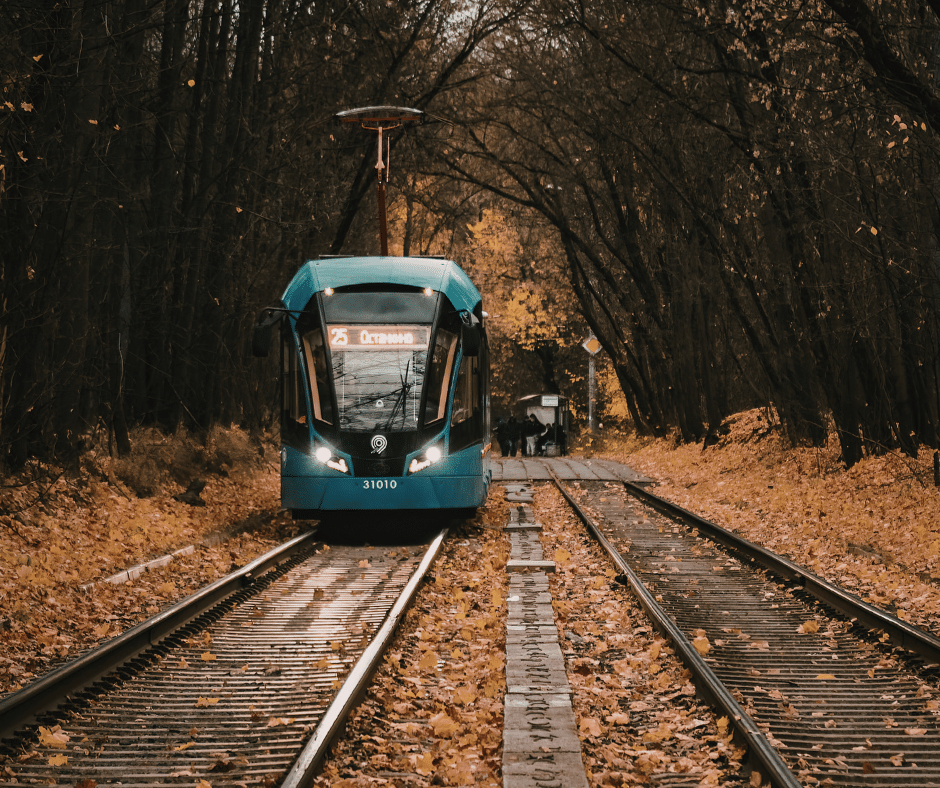
Early October is the peak of Polska Jesień—the “Golden Polish Autumn” (Złota Polska Jesień)—when the country’s parks, forests, and rural landscapes turn amber, ochre, and deep red. It’s one of the most photogenic periods in the Polish calendar, and largely undiscovered by international tourists.
Temperatures cool to 10–12°C but remain comfortable for sightseeing. Crowds are thin, prices are lower, and the atmosphere in cities like Warsaw and Łódź becomes pleasantly contemplative. Food-focused itineraries work particularly well in autumn, when seasonal Polish cuisine—mushroom soups, game dishes, apple-based desserts—is at its best.
What to pack for autumn: A proper jacket (not just a layer), waterproof shoes, and a scarf. October evenings can drop to 5–07°C. Pack slightly warmer than you think you’ll need.
Visiting Poland in Winter: Christmas Markets, Snow, and What Most Travelers Miss
November in Poland
November is Poland’s quietest and greyest month—short days, frequent overcast skies, and temperatures dropping through the single digits. It’s not the most appealing month for sightseeing, but budget travellers who don’t mind the atmosphere will find November very affordable.
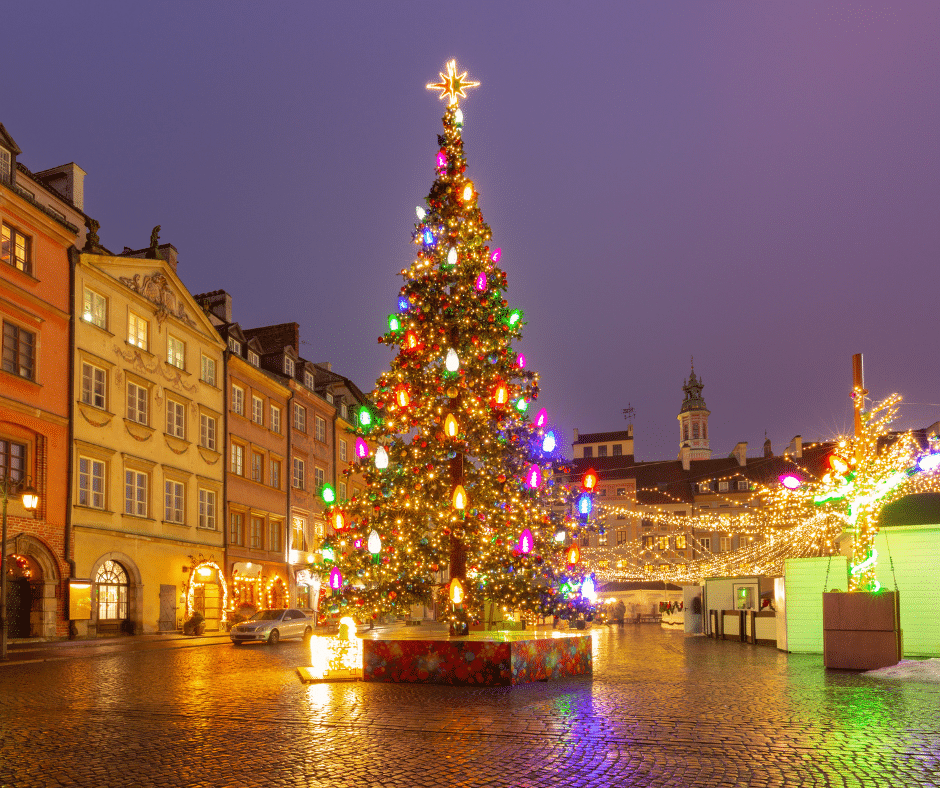
By late November, Christmas markets begin to open—typically the last weekend of the month. This is when the calendar tips back in November’s favour: the markets are newest, least crowded, and still feel genuinely festive rather than commercial.
December in Poland
December is Poland at its most atmospheric. Kraków’s Rynek Główny hosts one of Poland’s most beloved Christmas markets, with handmade crafts, regional foods like oscypek (smoked mountain cheese) and żurek (sour rye soup), and a giant nativity scene (szopka) that has been a Kraków tradition since the 19th century. Gdańsk’s Long Market and Wrocław’s Market Square also host excellent markets with strong local character.
Temperatures average -2°C to 0°C in December, with cold spikes possible. Snow is not guaranteed but when it arrives—typically mid-December onward—it transforms the already-beautiful historic Old Towns into something extraordinary.
January – March in Poland
January and February are the coldest months (-2°C to -7°C in Warsaw, colder in the mountains) and the cheapest. Hotels and flights are at their annual low, and major museums and cultural sites are accessible without queues. For travellers who find summer travel exhausting, January in Poland—quiet, affordable, and genuinely uncrowded—can be surprisingly rewarding.
The Tatra Mountains are at peak ski season from January through March, with Zakopane operating as Poland’s main ski resort hub. It’s not the Alps, but lift queues are short, prices are low, and the town has genuine mountain character.
What to pack for winter: Pack seriously. Thermal underlayers, a heavy coat, waterproof insulated boots, hat, gloves, and a scarf. Temperatures can feel significantly colder than the forecast suggests when wind is involved. Don’t underestimate Polish winters.
Best Time to Visit Poland by Travel Style
- First-time visitors: May–June or September — the best balance of weather, crowd levels, and affordability
- City sightseeing (Warsaw, Kraków, Wrocław): Late spring through early autumn; avoid August for Kraków if you dislike crowds
- Christmas markets: Late November–December — Kraków, Gdańsk, and Wrocław are the top three
- Hiking in the Tatras: June–September; July and August for the best weather, June for fewer hikers
- Skiing: December–March, centred on Zakopane
- Baltic coast beaches: July–August only
- Budget travel: January–March — lowest prices of the year outside major holidays
- Autumn photography and food travel: September–October — the Golden Polish Autumn is genuinely special
Where to Travel in Europe Based on Your Travel Style
.
Frequently Asked Questions About the Best Time to Visit Poland
What is the best month to visit Poland?
May and September are consistently the best single months to visit Poland. Both offer temperatures in the high teens (17–19°C), manageable crowds, and long daylight hours—without the peak-season pricing and congestion of July and August. For first-time visitors wanting to cover the main cities comfortably, late May is the best single-month choice.
Is summer a good time to visit Poland?
Yes, though it depends on your priorities. June is excellent—warm, long days, and crowds that haven’t yet reached peak. July and August bring the warmest temperatures and the liveliest festival calendar, but popular cities like Kraków become very busy and prices rise significantly. If you’re visiting the Baltic coast or attending a specific festival, summer is the right choice. If you’re primarily sightseeing in cities, June or September is smarter.
Is Poland worth visiting in winter?
Yes—and it’s more rewarding than most travellers expect. Poland’s Christmas markets, particularly in Kraków’s Rynek Główny and Gdańsk’s Long Market, rank among Europe’s most atmospheric and least commercialised. December temperatures average -2°C to 0°C—cold, but manageable with proper clothing. January and February offer the lowest prices of the year and near-empty museums. The Tatras are in full ski season through March. If you’re comfortable with cold weather, Polish winter is excellent value.
When is the cheapest time to visit Poland?
January through March typically offers the lowest prices for flights and accommodation across Poland. The exception is the Christmas and New Year period (roughly December 23–January 2), when prices spike. Avoid national holidays like All Saints’ Day (November 1) and Easter weekend, which also see elevated domestic travel. For the absolute lowest prices, mid-January to late February is the sweet spot.
Does Poland have a rainy season?
Poland doesn’t have a traditional rainy season, but July and August see the highest rainfall (70–80mm in Warsaw), mostly as short afternoon thunderstorms rather than prolonged rain. Spring can bring unpredictable showers, particularly in April. The driest months are typically February through March. In practice, a light waterproof jacket is useful at any time of year.
What is the best time to visit Kraków specifically?
May–June and September are ideal for Kraków. The city is genuinely beautiful year-round, but July and August bring heavy tourist crowds to the Rynek Główny and Wawel Castle. December is excellent for the Christmas market atmosphere. Avoid mid-August if you want any breathing room in the Old Town.
Choosing the Best Time for Your Poland Trip
Poland doesn’t have a bad season—it has seasons that suit different kinds of travellers. May and September are the safest all-round choices and the ones most experienced European travellers recommend. But the case for every other season is real: summer’s festivals, autumn’s golden quiet, winter’s markets and mountain snow.
The country rewards travelers who time it well.