Read on for the full guide to each destination—including where to stay, where to eat, and how to make every hour count.
Lake Como, Italy: The Art of the Alpine Aperitivo
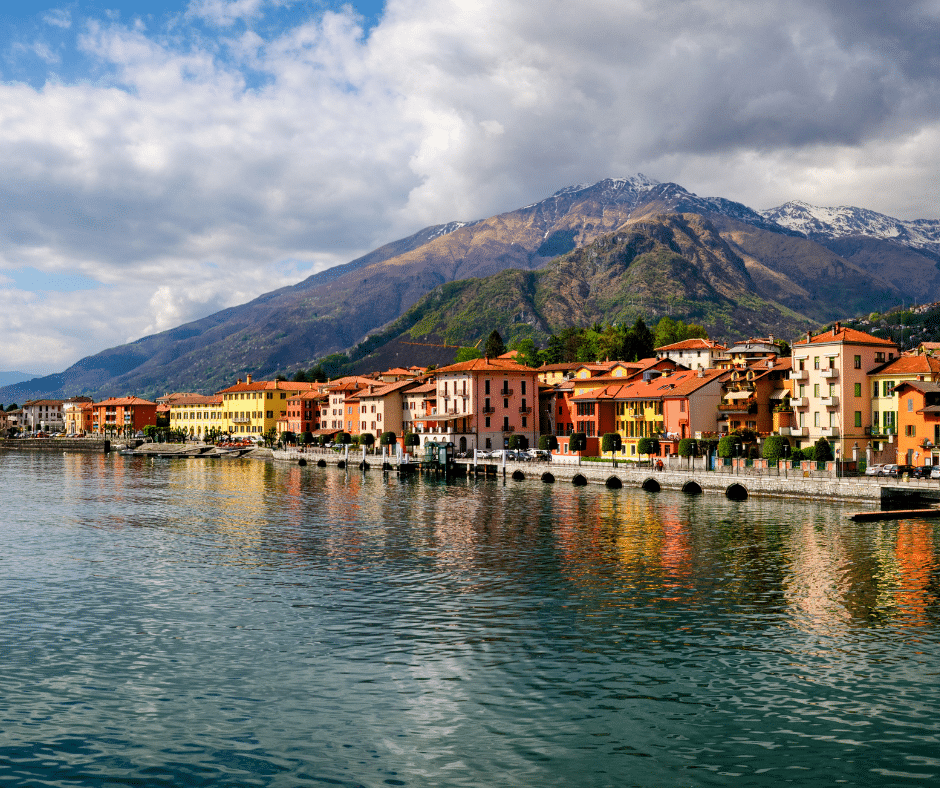
Lake Como doesn’t ask you to “do” much; it simply asks you to be there. Within an hour of arriving from Milan, you’re on the water, watching neoclassical villas slip past against a backdrop of dramatic peaks. It is perhaps the most seamless of easy European getaways because the lake itself is the itinerary.
Even a simple lakeside meal feels elevated here. The daily life traditions of the Italian lake towns—the long lunches, the passeggiata, the aperitivo hour—aren’t tourist performances. They’re just how life works, and visitors slot in naturally.
The Weekend Rhythm: Skip the rigid schedules. Spend your morning wandering the botanical paths of Villa Monastero in Varenna, then hop the mid-lake ferry to Bellagio. The ferry ride isn’t transit; it’s the highlight.
Why it works: The lake is the activity. You don’t need a car, a map, or a plan—just a ferry pass and a willingness to let the afternoon stretch.
Pro Tip: Base yourself in Varenna. It’s quieter than Bellagio, has a genuine local soul, and offers the most direct train connection to Milan.
Explore More: If a weekend leaves you wanting more, our 2026 Northern Italy Grand Tour concludes with three days on Lake Como after Venice and Milan.
Salzburg, Austria: Baroque Beauty Without the Burnout
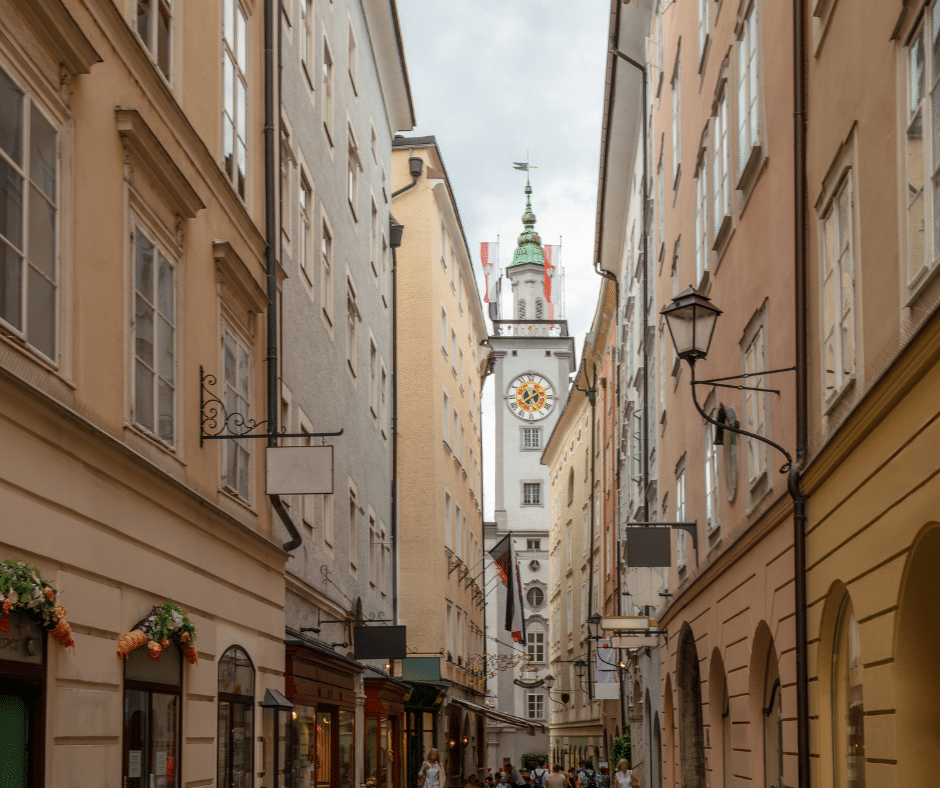
Salzburg delivers high-brow culture without the exhaustion of a capital city. While Vienna is a grand marathon, Salzburg is a graceful stroll. The UNESCO-listed Old Town is so compact that you can move from a medieval fortress to a 300-year-old café in the time it takes to hum a bar of Mozart.
It’s one of the most walkable European cities, which means you can ditch the GPS and simply follow the sound of church bells. Spend Saturday morning watching the mist cling to the Hohensalzburg Fortress, then retreat into a wood-paneled Kaffeehaus for a slice of Sachertorte. The city is compact enough that getting “lost” is more of a method than a risk.
The 3-Day Rhythm: Morning walks through Mirabell Gardens, afternoon funicular rides for the views, and evenings at St. Peter Stiftskulinarium—one of the oldest restaurants in the world, and still excellent.
Why it works: Everything worth seeing in Salzburg is concentrated within six walkable streets. There’s no sprawl to manage, no transit to decode—just the city, on foot, at your pace.
Pro Tip: Wake up early. Walking the Getreidegasse before the shop shutters open is the only way to truly feel the city’s medieval bones before the crowds arrive.
Explore More: Salzburg pairs naturally with Vienna for a longer Austrian itinerary—two hours apart by train and completely different in character.
Colmar, France: A Storybook Escape in Alsace
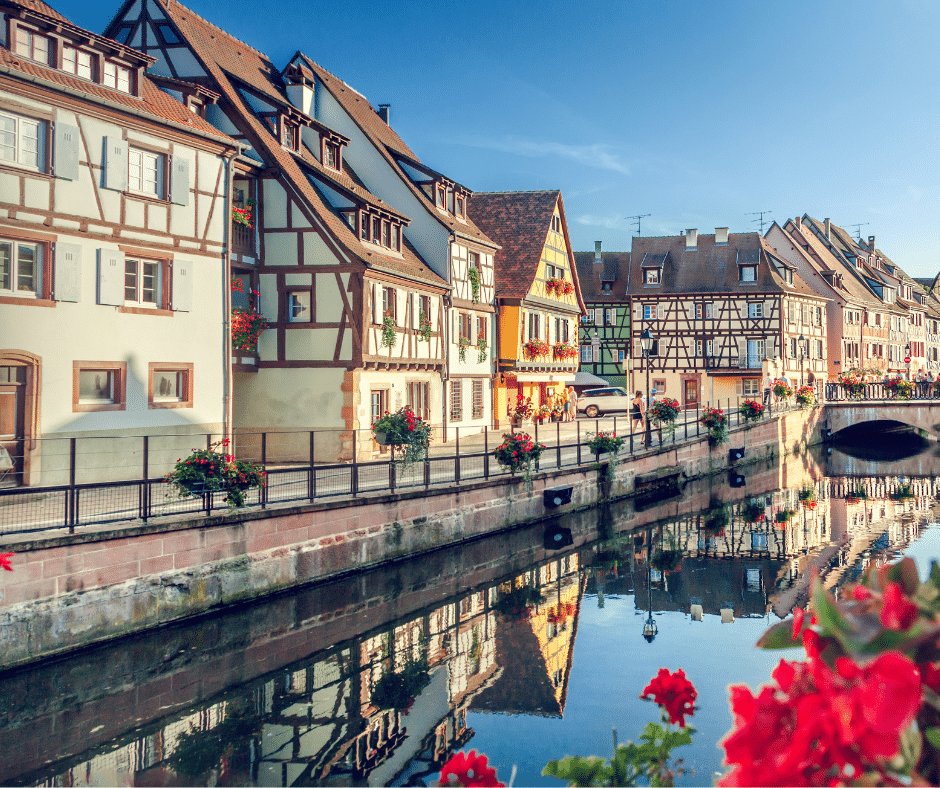
Colmar feels almost surreal—a kaleidoscope of half-timbered houses, flower-lined canals, and soft pastel shutters. Located in the heart of the Alsace wine region, it offers a distinct Franco-German blend of architecture, culture, and world-class Rieslings that you won’t find anywhere else in Europe.
This isn’t a city for museums or monuments. It’s a city for wine bars and artisan bakeries, for wandering without purpose and arriving somewhere beautiful anyway. The La Petite Venise canal quarter is as close to a fairy tale as European travel gets—and it’s entirely authentic, not rebuilt for tourists.
The Weekend Rhythm: Let the canals guide you through La Petite Venise in the morning. Spend the afternoon in a wine cave tasting Alsatian Riesling and Gewürztraminer. Eat dinner at a winstub—the Alsatian version of a tavern—where the food is hearty, local, and unhurried.
Why it works: Colmar is small enough to ‘finish’ in a weekend, which means you never feel the guilt of missing something. For quick Europe vacations where the goal is atmosphere over itinerary, it’s close to perfect.
Pro Tip: Evenings transform Colmar. Once the day-trippers head back to Strasbourg, the town glows under soft streetlights and the atmosphere shifts completely. Staying overnight isn’t optional—it’s the whole point.
Explore More: Colmar is 30 minutes by train from Strasbourg, which makes an easy two-city Alsace itinerary if you want to extend the trip.
Bruges, Belgium: The City That Rewards Staying Overnight
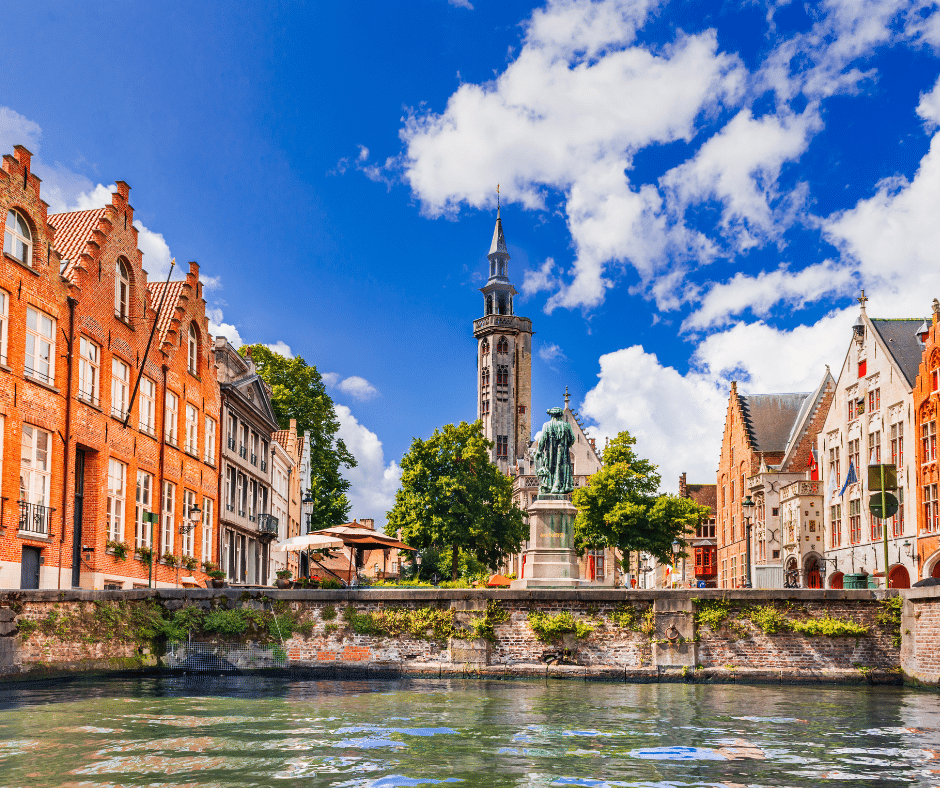
Bruges has a specific problem: it’s so photogenic it can feel like a stage set. The day-trip crowds—and there are many, arriving by the coachload from Brussels and Ghent—don’t help. But stay overnight and something shifts. By 7pm the coaches are gone. The canal reflections go still, the chocolate shops close, and the city stops performing. That’s the version of Bruges worth planning for.
The medieval centre is genuinely intact—not restored, not reconstructed—in a way that’s increasingly rare in Europe. The Groeninge Museum holds Flemish Primitive paintings that would headline any major gallery elsewhere. The local beer culture runs deeper than the tourist bars suggest: seek out a brown café in the Sint-Jakobsstraat neighbourhood and order a Brugse Zot, brewed in the only active brewery left inside the city walls.
The Weekend Rhythm: Spend Saturday morning at the Markt and climb the Belfry for the views, then deliberately get lost in the Sint-Anna quarter. Sunday morning belongs to the Begijnhof—arrive before 9am and you’ll have it almost to yourself. A canal boat tour reveals walled gardens and hidden waterways invisible from street level.
Why it works: Bruges is one of the few places where staying one extra night completely changes the experience. As a 48-hour escape, it delivers two different registers: daytime spectacle and evening stillness. Most visitors only get one.
Pro Tip: Walk out to the Kruisvest windmills at sunset. It takes 15 minutes from the centre, costs nothing, and almost no tourists make it there.
Explore More: Bruges pairs well with Ghent as a two-city Belgian weekend—Ghent is larger, younger in energy, and less touristed, making the contrast between the two surprisingly rewarding. See what to do in Ghent.
Lucerne, Switzerland: Three Destinations in One Weekend
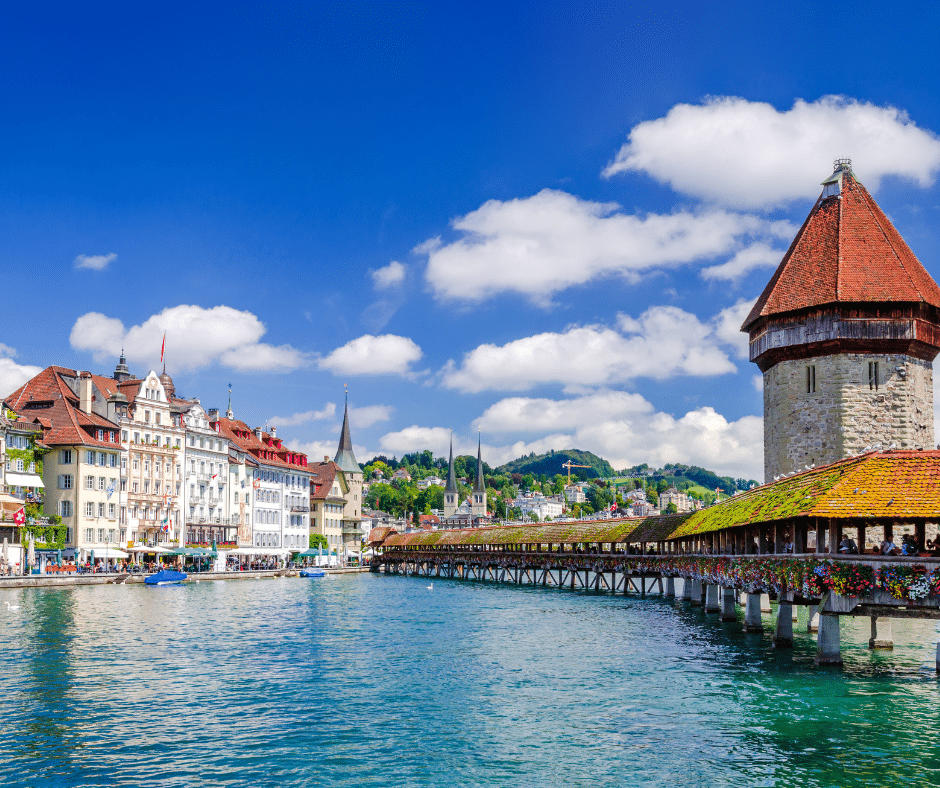
Lucerne is the rare destination that gives you three completely different experiences within a 30-minute radius—and lets you choose how deep to go on any of them. The medieval Old Town and Chapel Bridge are beautiful enough on their own. Add a paddle-steamer cruise on Lake Lucerne and you have a full day. Take the cable car up Mount Pilatus—a 30-minute ride that deposits you at 2,100 metres above sea level—and the weekend becomes something else entirely.
Switzerland’s reputation for expense is deserved, but Lucerne softens the blow: the Old Town is free to explore, the lake views require no entry fee, and the scenic boat rides are reasonably priced for what they deliver. Budget carefully and this becomes one of the most value-dense short trips in Europe.
The Weekend Rhythm: Day one: Chapel Bridge at 8am before the crowds, then the Old Town and the Lion Monument, then an afternoon boat to Vitznau for a quiet lakeside lunch. Day two: Mount Pilatus via the Kriens cable car—allow half a day—then a slow evening back in the Old Town.
Why it works: Most weekend escapes offer one mode: city, or nature, or culture. Lucerne gives you all three without changing hotels once. It’s the most logistically effortless way to experience the Swiss landscape.
Pro Tip: Book the Pilatus cable car in advance, especially June–August. The queues are real, and you don’t want to spend an hour of your 48-hour trip waiting at the base station.
Explore More: If the alpine scenery inspires you, discover Switzerland’s top scenic train journeys to see how to glide through the Alps in style.
How to Make a European Weekend Escape Feel Like a Full Vacation

The secret to European weekend escapes isn’t how much you see—it’s how little you rush. Three principles make the difference between a trip that feels frantic and one that feels genuinely restorative.
Choose one base. Don’t try to see two cities. Pick one, go deep, and let the destination surprise you with what you didn’t plan.
Stay central. On a short trip, time is your most valuable currency. Pay a little more to stay within the walkable centre—you’ll recover the cost in saved transit time and energy.
Prioritize the blue hour. Early mornings and late evenings are when these cities breathe. Nap in the afternoon when the crowds are thickest, and reclaim the hours when the light is best.
FAQ: Your European Weekend Escape Questions Answered
Are weekend trips to Europe really worth the effort?
Absolutely—provided you choose the right kind of destination. Compact, walkable cities like Bruges, Salzburg, and Colmar are designed for short stays: everything is close, the atmosphere is immediate, and you don’t spend half your trip on a metro or standing in queues. Avoid trying to ‘do’ a major capital like London or Paris in a weekend; secondary cities reward you far more for the same time investment.
How many days do you need in Bruges?
Two nights is the sweet spot. One night gives you the overnight atmosphere that transforms the city—the second lets you explore at a genuinely relaxed pace without rushing. A single day trip from Brussels is possible but misses the best version of Bruges, which only appears after the day crowds leave.
Is Lake Como worth visiting for just a weekend?
Yes—and in some ways a weekend is ideal. Lake Como rewards slow immersion, and two or three days is enough to base yourself in Varenna, take the ferry to Bellagio, and have the long lakeside lunches the setting demands. Trying to see too much of the lake in a week can actually work against you; it’s best experienced unhurriedly, not itinerary-first.
What is the easiest European city to visit on a long weekend?
Bruges and Salzburg are consistently the easiest—both are directly connected by train or short flight, compact enough to navigate without a car, and rich enough in atmosphere to justify the trip. Colmar is an excellent choice if you’re flying into Basel or Strasbourg: it’s 30 minutes by train and feels nothing like a typical city break.
How do I avoid checklist anxiety on a short trip?
Pick two ‘must-sees’ per day and leave the rest of the time deliberately unplanned. The best memories from short European trips almost always come from the unscheduled hours—the café you stumbled into, the side street you followed on instinct. Structure gives you confidence; space gives you the trip.
Is a car necessary for these destinations?
For all five destinations in this guide, no. Trains and walkable city centres make getting around simple and stress-free. For rural Alsace or the Lake Como villages beyond Varenna and Bellagio, a car adds flexibility—but for a 72-hour escape centred on one base, it creates more complications than it solves.
Make Your Next Escape Effortless
The best European weekends aren’t the ones where you saw the most. They’re the ones where, somewhere between the second coffee and the canal walk, you stopped checking your phone and just looked up.
That’s what a well-chosen escape does. It doesn’t require ten days or a complicated itinerary—just the right place, the right pace, and someone who’s already figured out the details.
If you’d like Guidester to build your weekend around your travel style—base town, timing, and all—we can have a custom plan ready before you start packing.